
Water Leaking From the Ceiling: A Rooftop Unit With No Filter, a Choked Coil and a Blocked Drain
A Los Angeles physical therapy clinic called about water dripping through the ceiling. The cause was on the roof, and it started with a missing air filter.
In this guide
The call: water dripping from the ceiling
A physical therapy clinic in Los Angeles called because water was coming through the ceiling right where the AC ducts run. Inside a clinic that’s more than an annoyance: wet ceiling tiles over treatment tables, and a unit that clearly isn’t doing its job.
The water came from the roof. When I pulled the service panel on the rooftop unit, the whole bottom of the cabinet was flooded with standing water, and the internal insulation had soaked it up like a sponge.
Where the water was coming from
An air conditioner makes water every hour it runs. Warm, humid air hits the cold evaporator coil, moisture condenses, and it drips into a pan under the coil and out through a drain line. That’s the design. Here the drain line was completely blocked, so the pan filled up, overflowed into the cabinet, and found its way down into the building.
Why the coil froze: no filter
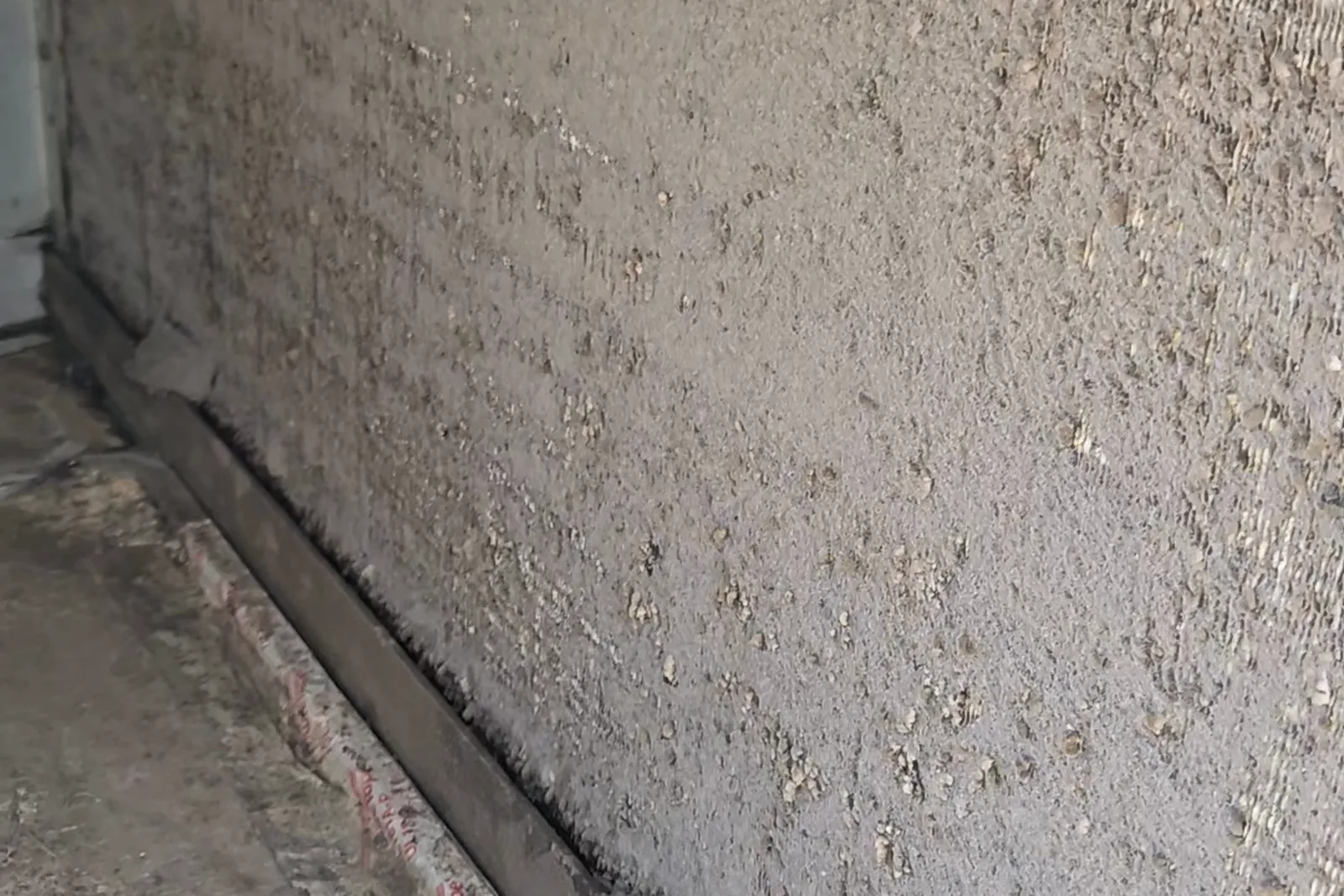
Then I looked at the evaporator coil, and it explained everything. It was choked with dirt and heavy buildup, front to back. There was no air filter in the unit. Without a filter, the dust in the return air lands on the coil, and this coil had been collecting it for a long time.
A coil that dirty barely passes any air. With almost no airflow, the coil runs far colder than it should and freezes into a solid block of ice. When the ice melts, all that water hits the pan at once. A clean drain might have handled it. A drain packed with sludge had no chance, and the flood was the result.
Cleaning the coil and the pan
This was a cleaning job before it was anything else. I vacuumed the coil, went over it with a dry brush, and then applied a foaming coil cleaner, letting it work into the packed dirt and rinsing it out. It took four rounds of foam to get the coil clean all the way through. The drain pan had a thick layer of sludge in it, so that got scraped out and washed down too.
Clearing the drain line
That drain did have a P-trap, the way it should, and the trap was packed solid. Same dirt as the coil: with no filter in the unit, the dust rode the return air onto the coil, and what got past it washed down into the pan and settled in the trap.
I cut the line open to get at the blockage. What came out was pure black slime, the kind of biological sludge that grows in a wet, dark pipe when it goes unflushed for long enough. I cleared the trap and the line, blew them out, and flushed until the water ran clean.
Then I rebuilt the PVC drain piping with a proper downhill slope and added a cleanout tee. The slope means water can’t sit in the line and grow the next clog, and the tee means the next technician can flush this drain in five minutes instead of cutting it open.
The insulation and the blower
A piece of the cabinet insulation had come loose and was hanging where it restricted the blower. It was soaked through from the water standing in the cabinet, so I dried it out and then refastened it to the top panel with new fasteners. That keeps it out of the airstream and gives the blower its full airflow.
The filter
Finally, the part that should have been there all along: a new air filter of the correct size for the unit. This is an inexpensive part, and its absence caused a flooded cabinet, a frozen coil, a ruined ceiling and a service call. Check your filter.
Back in service
With everything reassembled, the coil fins were sparkling and the pan was spotless. Supply air off the vents measured 60.6°F after the repair, and 60-something out of a vent on a hot day is cold air. The unit was cooling again and the clinic’s ceiling stopped dripping.
Commercial HVAC repair in Los Angeles
Epic Star Repair services rooftop package units, mini splits and commercial refrigeration across the Westside, Hollywood and the San Fernando Valley. CA BEAR registered (#A 50636). We quote a flat rate upfront, and the $85 service call is credited toward the repair. If water is showing up on your ceiling near the AC, shut the unit off and call us before it spreads.
FAQ
Why is water leaking from my ceiling near the AC?
Usually a condensate problem: the drain line is blocked, the drain pan is overflowing, or the coil froze and dumped a lot of meltwater at once. Shut the unit off to stop the flow, then have the drain and coil checked.
Can a missing air filter really cause a water leak?
Yes. Without a filter, dirt coats the evaporator coil, airflow drops, the coil freezes, and the meltwater overwhelms a drain that's usually already clogged with the same dirt. This job was a textbook case.
How do you clear a clogged condensate drain line?
For a light clog, flushing or a shop vacuum at the outlet works. For a line packed with sludge like this one, trap included, we cut it open, clear it, blow it out and flush it, then rebuild the piping with proper slope and a cleanout tee so it can be maintained.
How often should a commercial rooftop unit be serviced?
Filter changes every one to three months depending on the environment, and a coil and drain cleaning at least once a year. That's a small bill next to a flooded cabinet and a ruined ceiling.
Do you service rooftop units for clinics and offices in Los Angeles?
Yes. We repair and maintain commercial HVAC for clinics, gyms, restaurants and offices across the Westside, Hollywood and the San Fernando Valley. The $85 service call is credited toward the repair.
Got an appliance that needs fixing? We cover LA and the Valley.
Call (213) 205-2055 or text a photo of your appliance.