
An Oven Stuck at 200°F and a Control Board Nobody Makes Anymore
Two elements heating, one stone cold, no 240 volts from the board — and the component-level fix that saved a discontinued Fisher & Paykel DCS oven.
In this guide
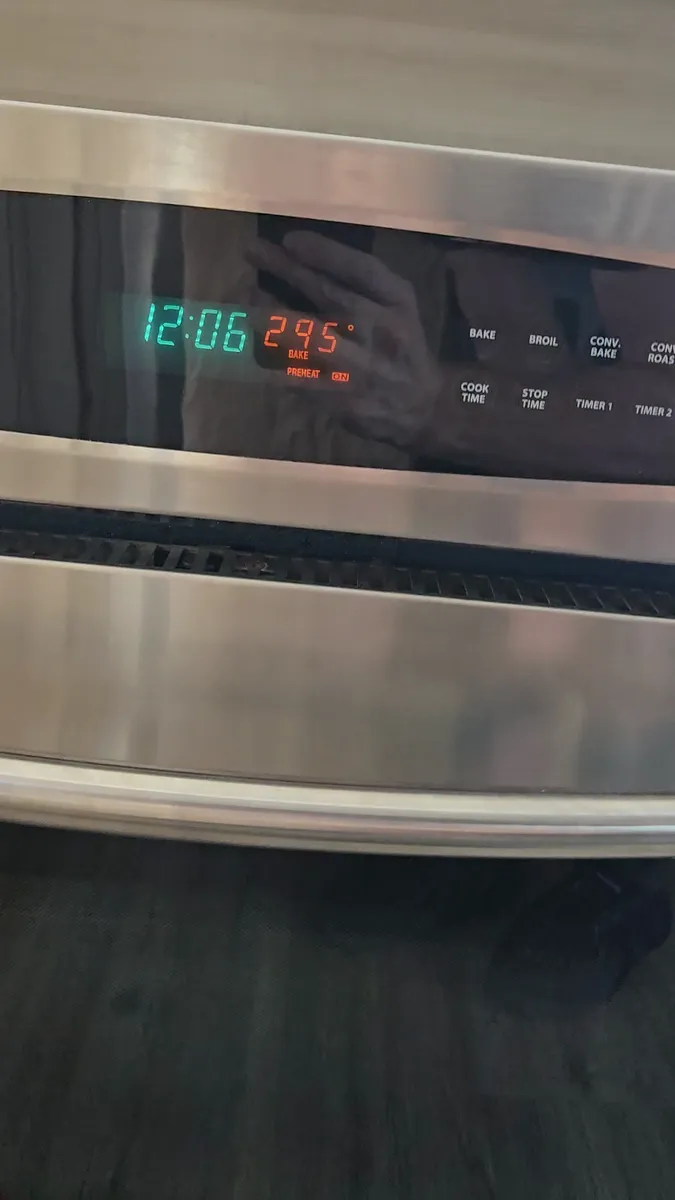
The complaint on this DCS by Fisher & Paykel built-in wall oven was easy to state: preheating took forever, and the temperature stalled around 200°F no matter how long the oven ran. You can’t bake anything at 200 degrees. The oven turned on and got warm, but it was useless.
Three elements, one cold
An electric oven like this heats with three elements: the bake element at the bottom, the broil element at the top, and a convection element in the back. During diagnosis, two of them were doing their job — the rear convection element and the top broil element both got hot. The bottom bake element stayed cold. That explained the plateau: the bake element is the oven’s main heat source, and without it the cavity stalls far short of any real baking temperature.
The element tested good. The board didn’t.
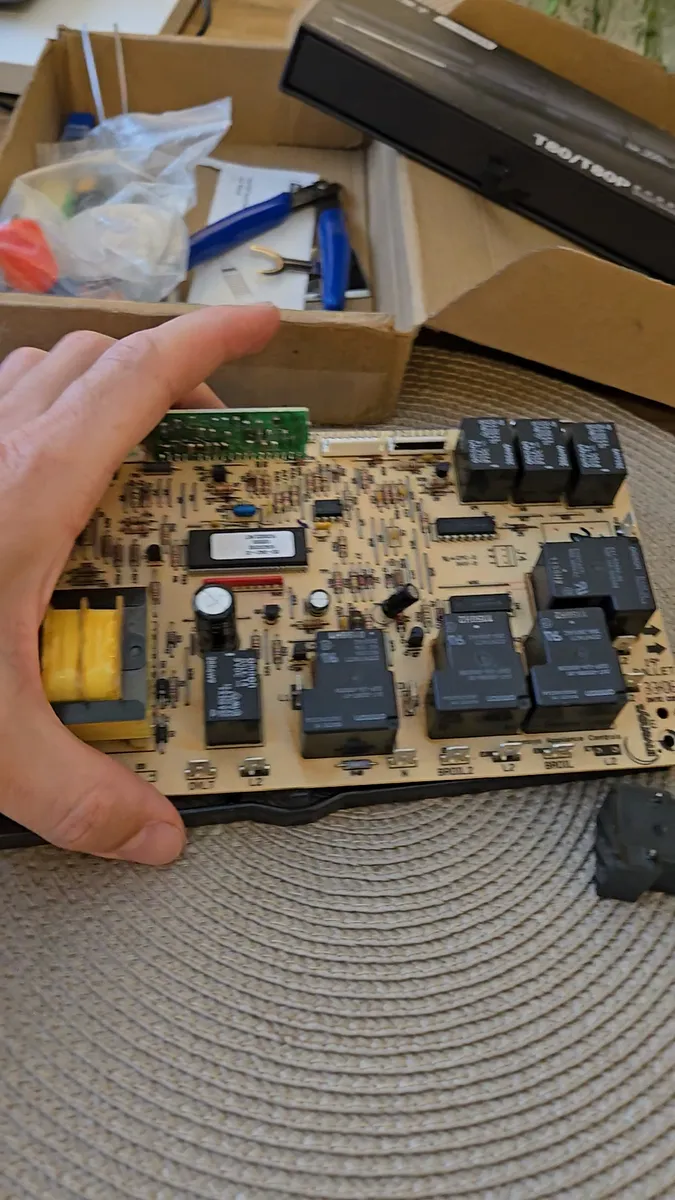
The obvious suspect was the bake element itself, so it got tested first: continuity was fine. The thermal fuse tested good too. That left one question — was power reaching the element at all? It wasn’t. No 240 volts were leaving the control board on the bake circuit. Good element, good fuse, no voltage from the board: the fault lived on the board.
Why the bake relay is the one that burns
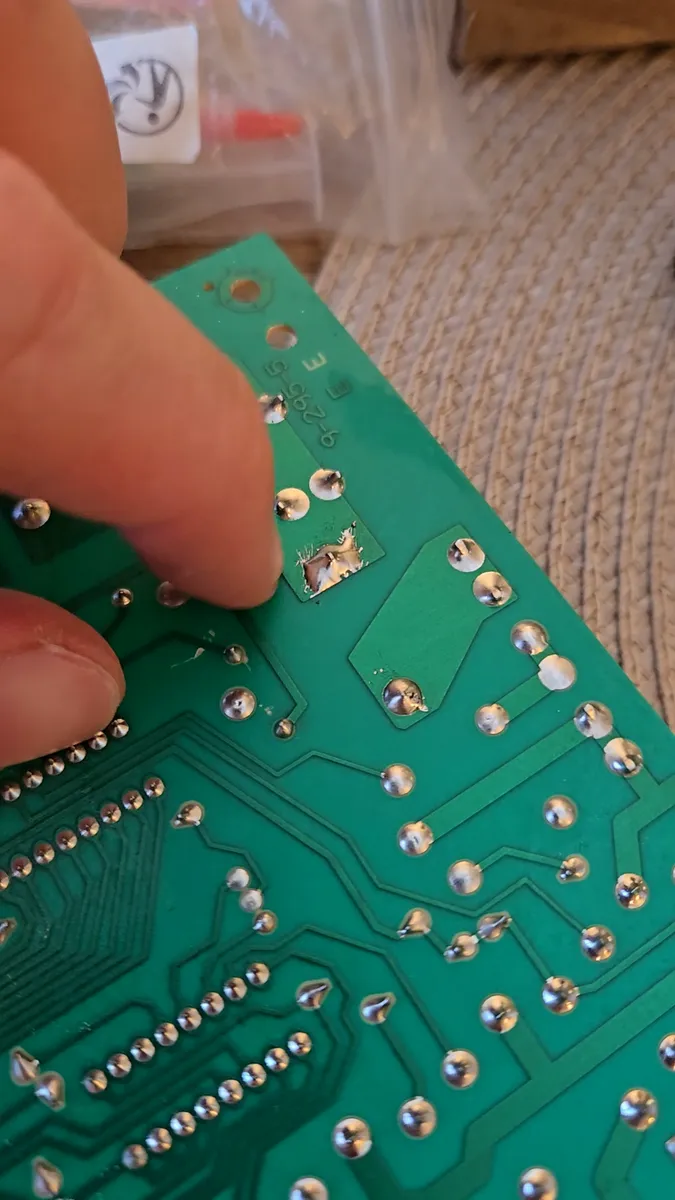
On the board, the bake element is switched through its own relay. That element pulls the most load of the three and sees the most use, so its relay works the hardest. On this board the bake relay’s contacts were burnt and pitted from that load — the relay was done switching anything.
A board nobody makes anymore
Here’s where this repair could have ended. The main control board for this oven is discontinued — no longer available anywhere. If replacing the board were the only option, a burnt relay contact would have condemned the entire oven.
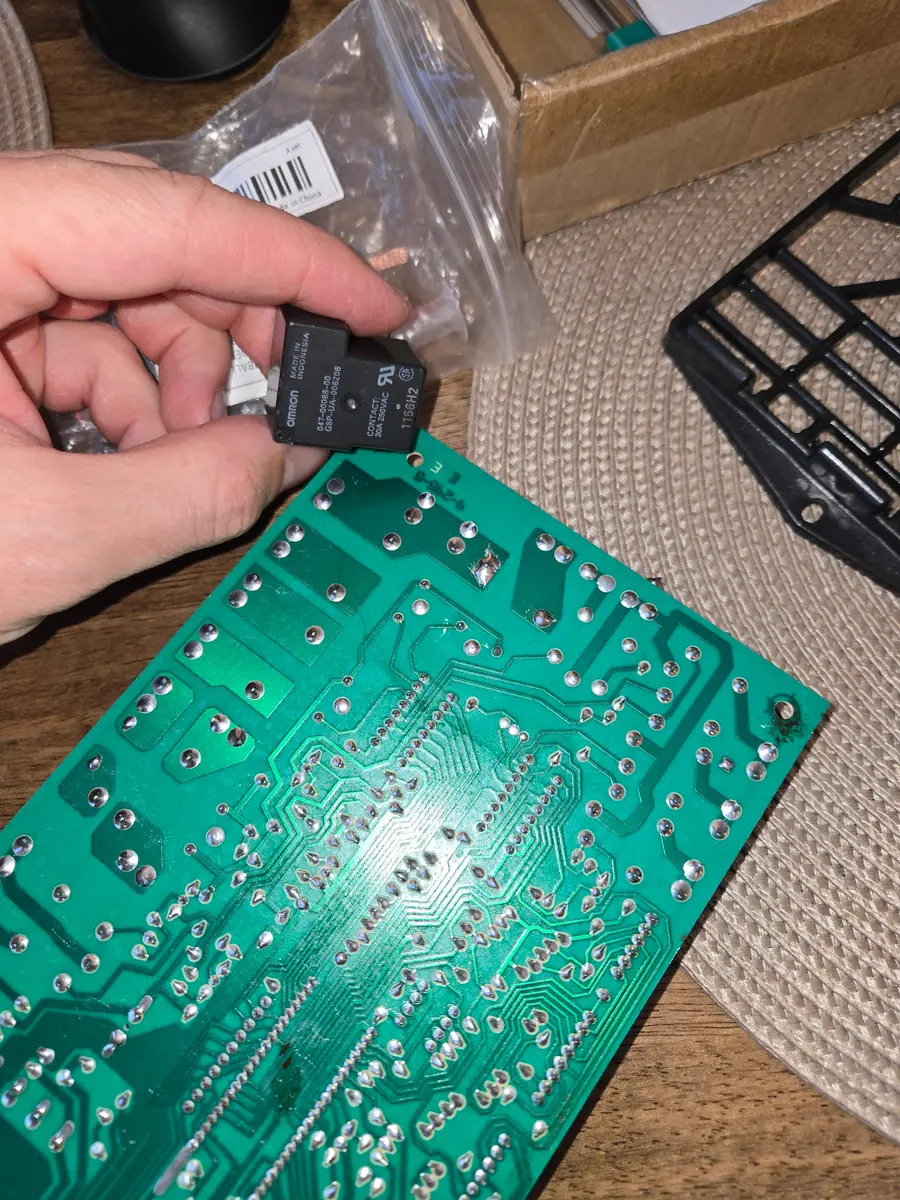
Instead, the repair went to component level. The old relay came off the board. Because the contact area had burnt, the pads were cleaned up to give the new part a larger contact patch and a solid connection. Then a fresh 30-amp relay went in, soldered directly onto the board.
Powered up, full strength
With the new relay in place, the oven heated at full strength — no stalling, no 200-degree ceiling. One component saved an appliance that no parts catalog could have. We’ve seen the same story on HVAC control boards: a discontinued board is a dead end only if nobody looks below the board level.
If your oven heats slowly or stalls low
A slow preheat that plateaus far below the setpoint usually means part of the heating circuit is out, and the element itself is only one suspect on that circuit. The element, the thermal fuse, and the board’s relay get tested in order — a short job with the right meter, and it tells you exactly which repair you’re buying. We repair ovens and stoves and ranges across Los Angeles, including Fisher & Paykel and DCS. Ask about available appointments; timing depends on scheduling and parts. Our work carries 30-day labor and 90-day parts warranties. Call or text (213) 205-2055, or book online.
FAQ
Why does an oven stall around 200°F instead of reaching temperature?
Because only part of its heat is working. On this oven the rear convection and top broil elements heated while the bottom bake element — the main heat source — stayed cold, so the cavity stalled around 200 degrees and climbed no further. A dead element, or the circuit feeding it, produces exactly this kind of plateau.
How do you tell whether the problem is the element or the control board?
Test in order. The bake element here showed good continuity, and the thermal fuse tested good too. The next check is whether 240 volts leave the control board on the bake circuit — here they didn't, which put the fault on the board's relay rather than the element.
Why did the bake relay fail?
The bake element pulls the most load in the oven and gets used the most, so its relay switches the heaviest current most often. On this board the relay's contacts were burnt and pitted from that load.
The control board is discontinued — does that mean the oven can't be fixed?
No. A board with a burnt relay can be repaired at component level: the old relay comes off, the contact pads get cleaned, and a new relay is soldered in. That's what saved this oven — a replacement board doesn't exist on the market.
What does the relay repair involve?
Removing the old relay, cleaning the burnt contact pads so the new part gets a larger contact patch and a solid connection, then soldering in a fresh 30-amp relay. On this oven that restored full heating power with no stalling.
Do you repair Fisher & Paykel and DCS ovens?
Yes — built-in wall ovens, ranges, and cooktops across Los Angeles. Ask about available appointments; timing depends on scheduling and parts. Work includes a 30-day labor and 90-day parts warranty.
Got an appliance that needs fixing? We cover LA and the Valley.
Call (213) 205-2055 or text a photo of your appliance.